
In 2026, the idea of a link in bio page is still important, but the way people use it has changed. A few years ago, many creators, students, brands, and small business owners used Linktree because social media platforms allowed only one profile link. That one page helped people share a store, a blog, a YouTube channel, a contact page, and more from one simple URL. Today, social platforms are smarter, user behavior is different, and people want faster, cleaner, and more trusted online journeys. That is why many users are now asking a very real question: Do you still need Linktree in 2026?
For many people, the answer is no, not in the old way. But the bigger and better answer is this: you still need a smart bio link page if it helps visitors move quickly, trust your brand, and take action. That is where linktree.cx becomes important in this conversation. If you are looking for a modern, simple, and SEO-friendly link in bio solution, linktree.cx presents itself as a useful option for creators, influencers, entrepreneurs, and growing brands.
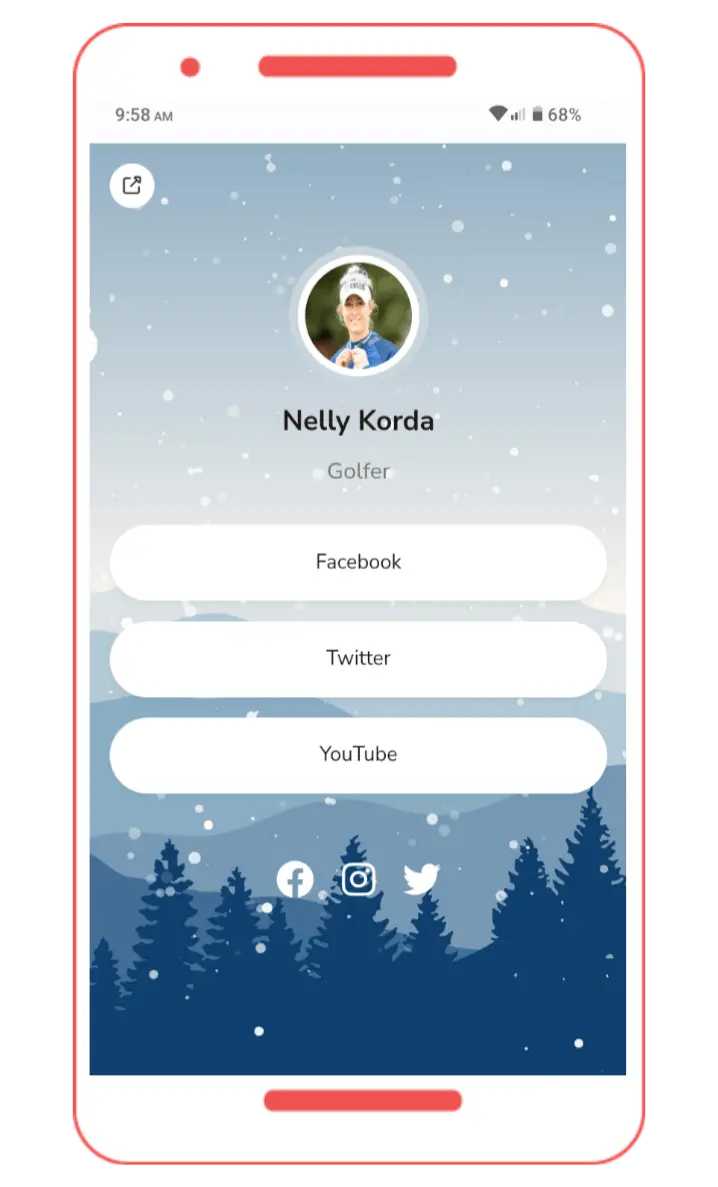
Image: A live example of a modern link in bio layout from linktree.cx, showing how a single page can organize multiple destinations in a clean mobile-friendly format.
What Is Linktree in Simple Words?
Linktree is a tool that lets you place many links on one page and then share that single page in your social media bio. Instead of changing your bio link every time you post a new video, product, article, or course, you keep one main URL and update the buttons inside that page. This makes it easier for visitors to find what they want without getting lost.
That idea became popular because platforms like Instagram, TikTok, YouTube, and X often limit how many direct links users can place in their profile area. A Linktree page solves that problem by acting like a mini home page. In simple terms, it is a small digital doorway that sends people to all your important places online.
Why the Question Matters More in 2026
The keyword “What is Linktree? And Do You Still Need It in 2026?” matters because user behavior is changing. People do not want extra clicks unless each click gives clear value. If a visitor taps your bio link and lands on a slow, messy, or generic page, they may leave in seconds. In 2026, speed, trust, mobile design, and branded experience matter more than ever. A link page is no longer useful only because it exists. It must help users act fast.
That is why many marketers now focus less on the old “one-link problem” and more on the full conversion journey. A good bio link page should help users discover content, trust the brand, join a newsletter, click to a store, or contact the creator without confusion. This is also why linktree alternatives and smarter landing pages are gaining attention.
Do You Still Need Linktree in 2026?
You may still need a link in bio tool, but you may not need the old habit of using a generic page just because everyone else did. If your social profile already gives you more linking options, you can send users directly to your best page. But if you run multiple campaigns, manage many social channels, or want one clean place for your brand, a strong bio link page still makes sense.
The real answer is not about the name Linktree alone. It is about whether your chosen tool gives you better branding, easier updates, cleaner design, and a more useful experience for visitors. In that context, linktree.cx enters the conversation as a platform designed around simple setup, custom layouts, mobile responsiveness, built-in form support, and an SEO-friendly profile structure. For users who want one powerful hub instead of many scattered links, that matters.
Why linktree.cx Is Worth Watching in 2026
If your goal is to build a stronger digital presence with one shareable page, linktree.cx is worth attention because it is built around modern creator and brand needs. The platform highlights custom bio links, multiple design layouts, mobile optimization, easy browser-based management, and built-in tools that can help collect email leads. That means it is not just a page full of buttons. It aims to be a lightweight traffic hub that supports audience growth.
For creators, this matters because one simple URL can connect your audience to your latest video, product page, blog article, social profile, or sign-up form. For small businesses, it matters because a good bio link page can reduce friction and direct people quickly to a product, booking page, menu, portfolio, or lead form. For students and beginners, it matters because they often need a no-code solution that is easy to understand and fast to update.
Important 2026 Insight: A Link Page Must Be More Than a Link List
In 2026, users expect more than a stack of buttons. A strong page should feel like a small brand experience. That means your page should look clean, load fast, work on mobile, match your identity, and guide users toward one main action. This is why the idea of an SEO-friendly Linktree alternative is becoming more important. If your profile page has a clear purpose and strong structure, it can support your wider digital strategy instead of being a dead-end page.
When a platform like linktree.cx talks about responsive layouts, elegant designs, easy sharing, and search-friendly structure, it speaks directly to this modern need. People do not just want a link page. They want a page that feels useful, trustworthy, and ready to support growth.
Quick Comparison Table: Is a Link-in-Bio Page Still Useful?
| Topic | 2026 Reality | Why It Matters |
|---|---|---|
| What is Linktree? | A single page with multiple links | It helps users share many destinations from one bio URL |
| Do you still need it? | Yes, but only if it improves user flow | Extra clicks without value can lower conversions |
| Best use case in 2026 | Creators, brands, and businesses with many important links | It keeps content, products, and contact points in one place |
| Main user expectation | Fast, branded, mobile-friendly experience | Visitors leave quickly if pages feel generic or slow |
| Why linktree.cx stands out | Custom layouts, web-based control, lead forms, responsive design, SEO-friendly approach | It aims to turn a simple profile link into a useful growth tool |
Is linktree.cx Better for Branding and SEO?
A major reason users search for Linktree alternatives is branding. Many creators do not want a page that looks like everyone else’s page. They want a link hub that matches their voice, colors, and content style. They also want a system that feels modern and simple. If a page looks polished, visitors are more likely to trust it. Trust is a major part of online engagement, and trust is also part of what makes content perform better over time.
From an SEO point of view, the biggest win is not that a link page will suddenly rank for every keyword. The real win is that a clean and optimized page can support discoverability, improve brand consistency, and help users move deeper into your content ecosystem. If your link in bio page sends people to your blog, store, landing page, newsletter, or service page in a smart way, it becomes part of your growth strategy rather than just a link shelf.
Who Should Use a Link-in-Bio Tool in 2026?
A link in bio platform still makes sense for people who publish on many channels and need one simple public hub. That includes content creators, affiliate marketers, podcasters, coaches, local business owners, musicians, freelancers, agencies, and students building a portfolio. If your online presence is spread across many destinations, a central page can make life easier for both you and your audience.
For example, a creator may need to send followers to a new reel, a sponsor page, a product store, and a newsletter at the same time. A student may need one page for a resume, LinkedIn profile, project portfolio, and contact form. A small business may want one quick path to ordering, WhatsApp contact, location details, and current offers. In each case, the right tool is the one that removes confusion. That is why a modern platform like linktree.cx fits the 2026 conversation so well.
What Makes a Good Link-in-Bio Page Today?
A good page should have a clear headline, one strong purpose, fast loading time, mobile-friendly structure, and easy-to-read link labels. It should not feel crowded. It should not make users guess where to click. The best pages also guide visitors toward the most important action first, whether that action is reading an article, watching a video, joining an email list, or buying a product.
That is why design matters. A strong layout helps visitors think less and act faster. A strong platform helps owners update links quickly and keep the page fresh. In 2026, a smart bio link tool is not about adding more links. It is about building a better path.
Final Verdict: What Is Linktree, and Do You Still Need It in 2026?
Linktree is still an easy way to place many important links on one page, but the old reason for using it is no longer enough on its own. In 2026, you need more than a simple link list. You need a page that supports brand trust, user experience, mobile behavior, and real action. So yes, you may still need a link in bio solution, but only if it gives users a better journey.
That is why linktree.cx deserves attention. It reflects what many creators and businesses now want from a modern bio link platform: a page that is clean, customizable, easy to manage, mobile-ready, and built to help your audience move from interest to action. In simple words, if you still need a Linktree-style page in 2026, you should choose one that works harder for your brand. linktree.cx looks like a platform made for that new reality.
FAQ: What Students and Beginners Search About Linktree in 2026
Is Linktree still useful in 2026?
Yes, a Linktree-style page is still useful in 2026 if you need one place to share many links. It is most useful when it saves time, reduces confusion, and helps visitors reach the right page quickly.
What is the main purpose of a link in bio page?
The main purpose is to give people one simple link that opens a page with your most important destinations, such as your website, shop, article, portfolio, newsletter, or social media profiles.
Is linktree.cx free to use?
linktree.cx presents itself as a platform with a free plan, while also offering premium options for users who want more advanced features and customization.
Can a link in bio page help SEO?
A link in bio page can support your wider SEO and brand visibility strategy when it sends traffic to your key content, keeps your brand consistent, and provides a clean user experience. It works best as part of a bigger digital strategy.
Who should use linktree.cx?
Creators, influencers, students, freelancers, entrepreneurs, and small business owners can all use linktree.cx if they want one easy page to organize their online presence and share it across different social platforms.
What should I put on my bio link page?
You should place the pages that matter most to your audience, such as your latest blog post, store, course, booking page, portfolio, contact form, newsletter, or top social profiles. Keep the page clear and focused.
Is a website better than a Linktree page?
A full website gives you more control, but a link in bio tool is faster and easier for many users. In 2026, the best choice depends on your goals. Many people use both together, with the bio page acting as a simple traffic hub.
What is the best Linktree alternative in 2026?
The best alternative depends on your needs, but if you want a clean, modern, customizable, and mobile-optimized bio link solution, linktree.cx is a strong option to consider.
Closing Note
If your goal in 2026 is to get more clicks, better trust, and a cleaner brand journey, then the real question is not just “What is Linktree?” The better question is, “Which link in bio platform helps my audience most?” For many modern creators and brands, linktree.cx is part of that answer.